B2B Demand Generation · ABM · LinkedIn
A Story About B2B Demand Generation Done Differently
A story about B2B demand generation done differently
No digital campaigns. Certainly no LinkedIn ads. And it worked. Until it didn’t.
The pipeline was slowing down. The buyers they needed to reach were increasingly unreachable through traditional channels.
A well-known agency had convinced them to try LinkedIn, and for months, the results were exactly what you’d expect when you treat a B2B platform like a lead generation machine: clicks, impressions, and a lot of money spent on people who would never buy.
That’s when they came to us.
The Real Problem Wasn’t LinkedIn
When we sat down with their team, the diagnosis was straightforward. The agency they’d been working with understood LinkedIn as an advertising platform.
What they didn’t understand was the B2B buying process.
This company’s average contract value runs into the millions. Their deals don’t close in 30 days.
They don’t close in 90 days. The buying committee involves legal, finance, operations, and executive leadership.
Expecting a contact form submission to represent meaningful pipeline progress wasn’t just optimistic. It was disconnected from how enterprise deals actually work.
They didn’t need leads. They needed a system.
More specifically, they needed what’s known in Account-Based Marketing as demand generation orchestration: a structured way to identify which companies were showing real interest, build awareness within the right buying committees, and hand warm, context-rich signals to sales at precisely the right moment.
LinkedIn wasn’t the wrong channel. It was being used with the wrong philosophy.
Step One: We Built the ICP Together With Sales
Before we touched a single campaign, we sat down with their sales team.
This is a step most agencies skip because it’s uncomfortable. Sales people don’t always want to explain their logic.
Marketers don’t always want to be told their leads don’t matter. But this conversation is where B2B demand generation programs either take root or die.
We asked the questions that matter: Which accounts have the highest lifetime value? Which ones close the fastest? Which ones refer other clients? Which ones do your best reps actually want to work?
Using ZoomInfo, we cross-referenced their answers with market data to build a precise Ideal Customer Profile.
Not a vague description of the kind of company they serve, but a specific set of firmographic and technographic criteria that separated their best-fit accounts from everyone else.
From that profile, we built the Target Account List: the exact companies we would focus every dollar and every piece of content on.
Step Two: We Mapped the Buying Committee
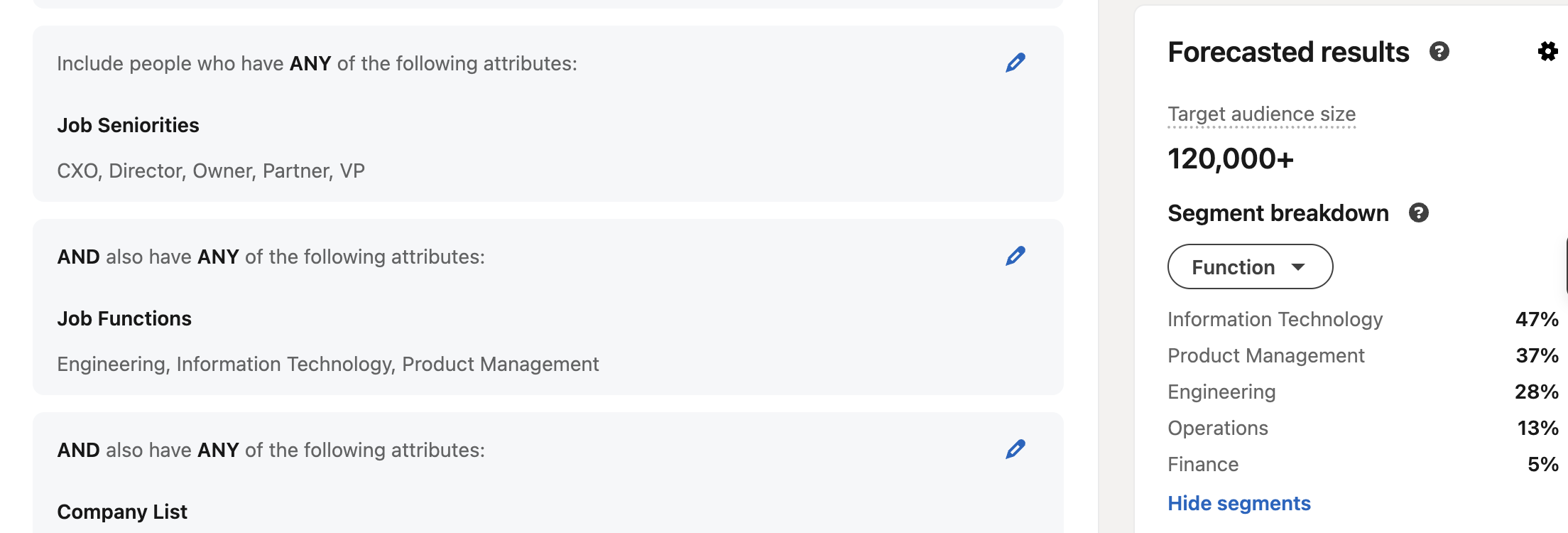
This is where most B2B demand generation strategies fall short even when the targeting is right. They target accounts. They forget that accounts are made of people.
Using OrbitIQ, our proprietary platform exclusive to our clients, we identified the buying committee for each account based on its tier and size. That meant understanding not just who the economic buyer was, but who the technical evaluators were, who the internal champions were likely to be, and who could slow or block a deal.
Every piece of content, every ad, and every outreach sequence was designed with those roles in mind.
Step Three: We Designed the Full System, Not Just the Ads
The agency before us had treated LinkedIn as a standalone channel. We treated it as the engine of a larger system.
Alongside the paid strategy, we built an organic content program for both the website and social media. Every piece was written for the ICP. Not for search engines, not for vanity metrics, not for the general market. For the specific type of company that was already on the Target Account List, written in the language their decision-makers actually use.
The logic is simple but often overlooked in B2B demand generation: when a VP of IT from a target account sees your content and thinks “this is exactly the problem we’re dealing with,” you haven’t just generated awareness. You’ve earned credibility before the first sales call happens.
Step Four: The Campaign Architecture
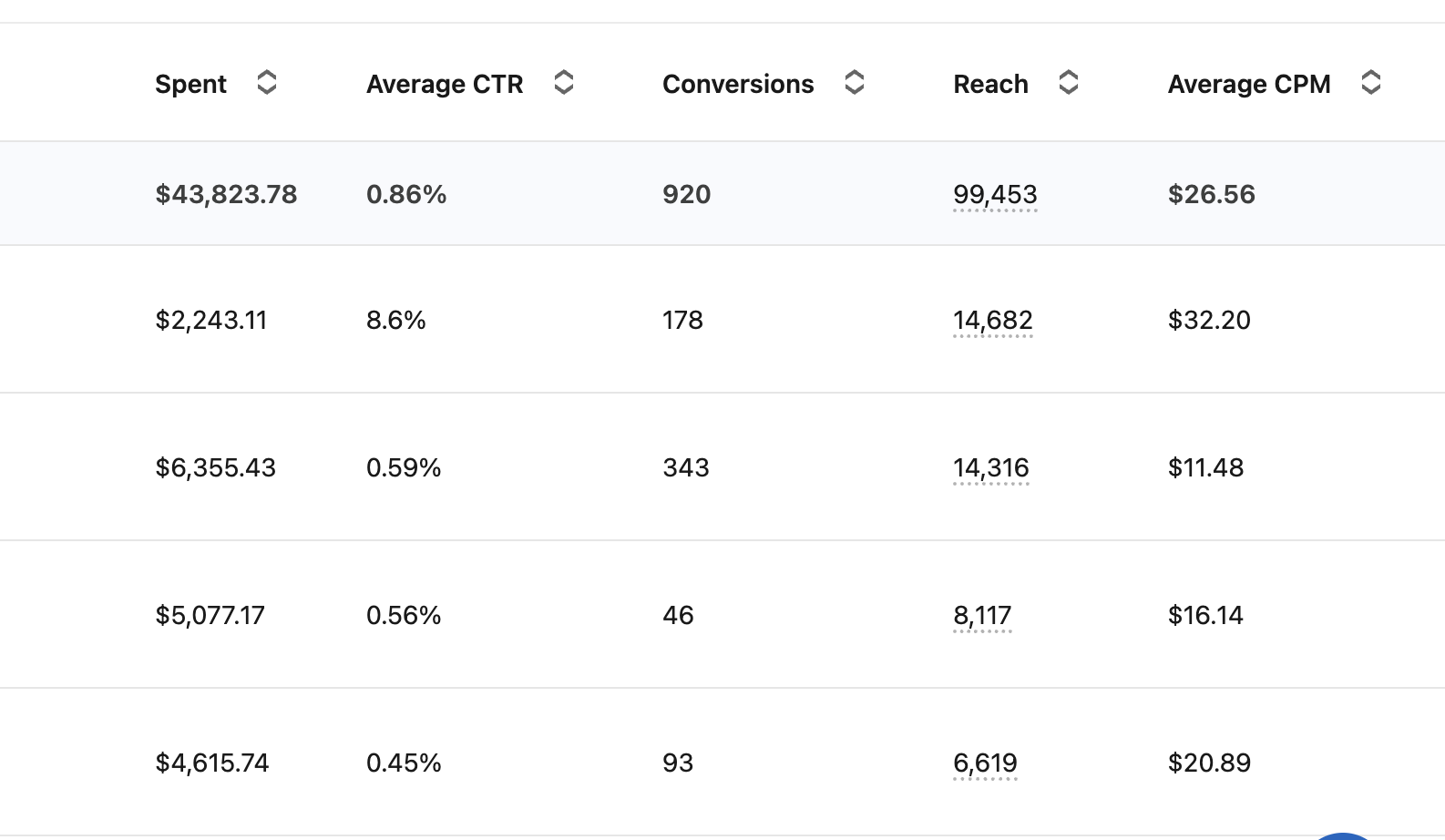
Middle of Funnel first. The company already had website traffic coming in from organic search and referrals. That traffic was leaving without any follow-up. LinkedIn’s retargeting capability let us capture those visitors, specifically those from companies on our Target Account List, and serve them content designed for buyers who already knew who the company was but hadn’t taken action.
The logic here is straightforward for anyone serious about B2B demand generation: existing traffic is warm. It’s the fastest path to early engagement signals, and it demonstrates results while the larger Top of Funnel strategy builds momentum.
Top of Funnel with patience. We deliberately held off on the cold awareness campaigns for the first three months. This is counterintuitive for clients used to seeing impression counts. But our goal wasn’t reach. Our goal was account penetration: the percentage of target accounts where at least one member of the buying committee had seen our content.
Spreading budget thin across thousands of accounts produces impressive dashboards and forgettable results. Concentrating it until you’ve genuinely saturated the decision-making layer of your most important accounts produces something different.
What We Were Actually Measuring
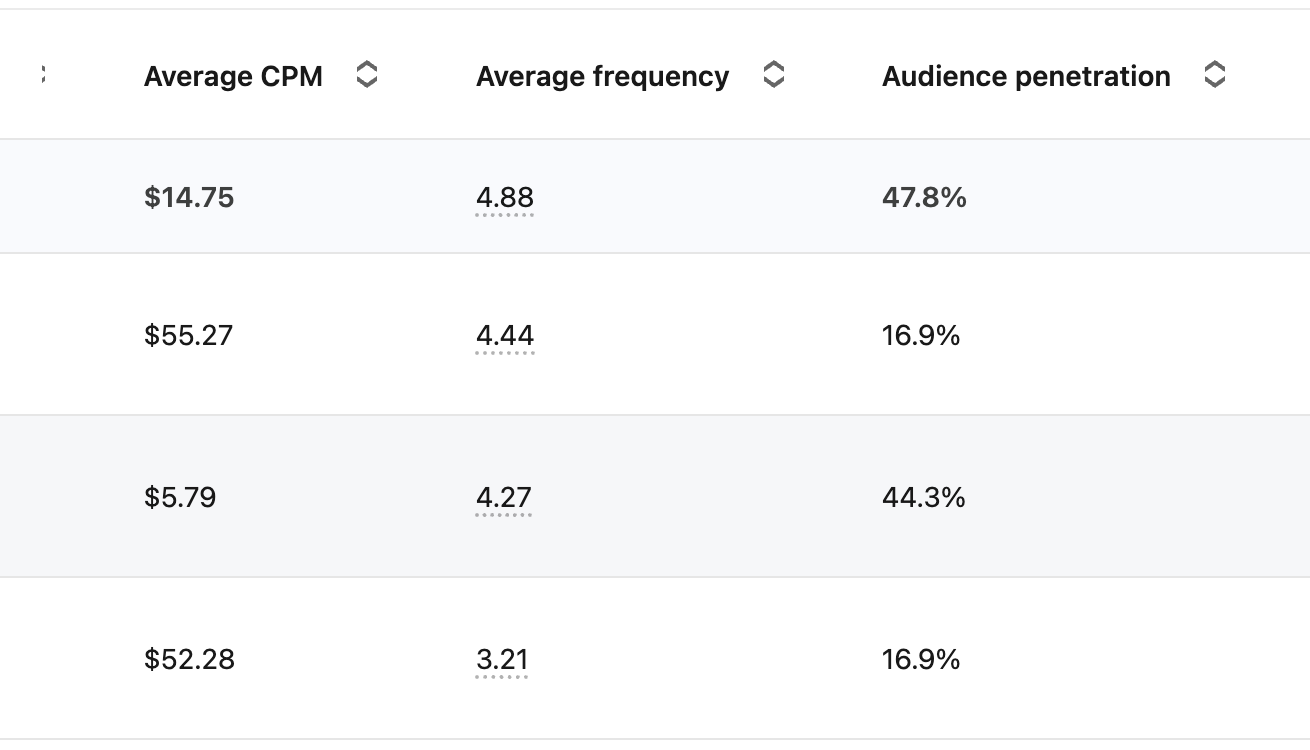
Here’s the part that surprises most people when they first hear about an ABM-informed B2B demand generation approach.
We received zero leads during this period.
Zero form submissions. Zero demo requests. Zero contact form completions.
That was by design.
What we measured instead was account engagement: which companies were interacting with content, visiting key pages, watching videos, and engaging with posts. We tracked this at the account level, not the individual level. We weren’t looking for a lead. We were looking for a signal that an entire organization was in research mode.
By the middle of the second month, those signals started arriving. Specific companies from the Target Account List were engaging with content at a rate that crossed our threshold for high intent.
That’s when we walked into the weekly sync with the sales team and said: it’s time to reach out to these accounts.
The Outcome
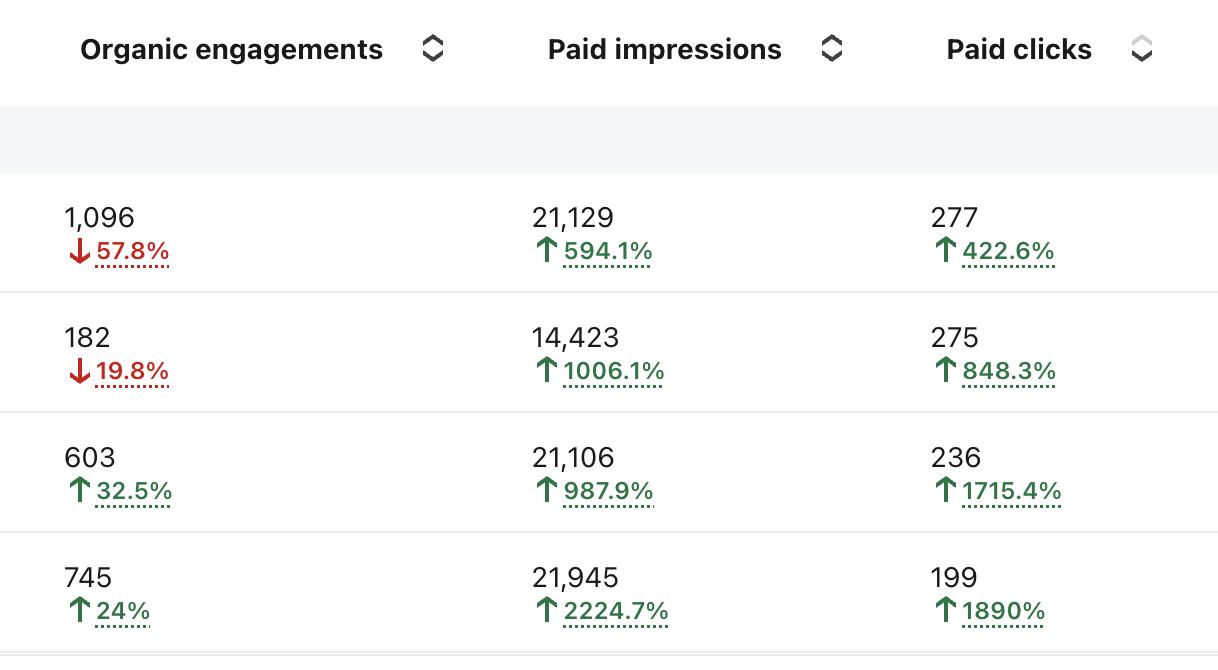
The sales team began outreach to the accounts we’d flagged. They weren’t calling cold. They were calling companies that had already spent time with the brand, absorbed the content, and were clearly in an active buying conversation.
Within two months of launch, the pipeline had grown by 7%.
In isolation, 7% sounds modest. In context, it meant something else entirely. These are enterprise contracts. One deal in this category represents millions of dollars in revenue. The company didn’t close several average deals. They closed the largest single contract in their four decades of operation.
What This Actually Teaches Us About B2B Demand Generation
The lesson here isn’t that LinkedIn is a magic platform. It isn’t. Used the wrong way, it’s an expensive source of vanity metrics, exactly as this company had experienced before.
The lesson is that B2B demand generation at the enterprise level requires a different framework entirely. It requires starting with who you want to serve before deciding how to reach them. It requires building content for buying committees, not for anonymous audiences. It requires measuring signals of intent rather than counting form fills. And it requires patience long enough to let the system work.
The deal didn’t happen because of a clever ad. It happened because the right people at the right company had already decided this was a firm worth talking to before sales ever picked up the phone.
That’s not magic. That’s process.
Curious about how this approach could work for your business? Let’s talk.